Misperceptions about Odds and House Edge
One of the most pervasive myths in casino gambling is the misconception surrounding odds and the house edge. Many players erroneously believe that their chances of winning are better than they actually are, particularly in games like slots, where the allure of colorful machines often overshadows the reality of their design. Slot machines, including various options for online pokies , are engineered with a significant house edge, which means that the casino is built to profit from their play over time. Understanding the true odds behind games such as blackjack, roulette, or poker can empower players to set realistic expectations and approach gambling with a more informed mindset.
Furthermore, the myth that players can manipulate their odds through betting strategies or systems is fundamentally flawed. For example, some players turn to the Martingale system, which involves doubling bets after each loss, believing it will eventually lead to a win that recoups their losses. In reality, this approach does nothing to alter the house edge and can lead to devastating financial consequences if a player encounters a losing streak. By educating themselves on how games are structured and the mathematical principles governing them, players can significantly improve their gambling experiences and safeguard their finances.
Many newcomers fall prey to the belief that their skill level can influence outcomes in games predominantly based on chance. While poker may involve strategy and skill, the majority of casino games rely on luck rather than player ability. This misconception can lead to poor decision-making and unexpected financial setbacks. Therefore, it is crucial for players to gain a solid understanding of each game’s mechanics and odds before diving in. Such knowledge can foster a more responsible approach to gambling and enhance the overall enjoyment of the experience.
The Fallacy of “Hot” and “Cold” Streaks
The belief in “hot” and “cold” streaks is another common myth that can mislead players. Many gamblers operate under the assumption that if a slot machine or table has not paid out in a while, it must be due for a win soon. Conversely, if a machine has recently paid out, players may believe it will continue to do so. This notion of patterns in inherently random games can lead to misguided strategies and wasted money. Each spin of a slot machine or deal of a card is independent of past outcomes, making the idea of streaks purely psychological.
This misunderstanding can result in players extending their sessions longer than advisable, chasing the illusion of an inevitable payout. For instance, someone might continue to pump money into a slot machine they believe is “overdue,” ultimately compounding their losses. Recognizing that all outcomes in games of chance are dictated by probability and randomness can help players break free from the cycle of chasing losses and making impulsive decisions that lead nowhere.
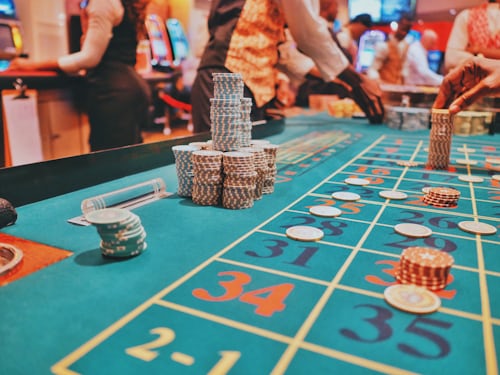
By dispelling the myth of “hot” and “cold” streaks, gamblers can cultivate a more rational mindset. They can understand that every bet is its own separate event, which encourages a healthier focus on enjoyment rather than an obsessive pursuit of patterns. Embracing the concept of randomness in gambling allows players to engage with casino games in a more balanced and informed way, ultimately leading to a more enjoyable experience.
The Risk vs. Reward Misconception
Many individuals enter casinos with a skewed perception of risk and reward, often viewing gambling as an easy way to earn money. The stark reality is that the majority of players walk away with losses, primarily because they underestimate the inherent risks involved. Casinos are structured to generate profit over the long term, and while some lucky individuals may leave with winnings, the house consistently holds the advantage. The thrill that accompanies gambling can sometimes cloud judgment, leading players to take risks that far outweigh any potential rewards.
In evaluating games, many players fail to prioritize bankroll management. A common fallacy is that increasing bets or extending play will allow them to recover losses. This thought process can lead to dire financial consequences and significant losses. A more prudent approach involves establishing a budget before entering the casino, facilitating a controlled gambling experience. By grasping essential risk management techniques, players can make informed decisions and avoid falling prey to the allure of quick wins.
Moreover, the romanticization of gambling perpetuated by movies and television often skews perceptions of the risk versus reward dynamic. Many portray gambling as an exhilarating pathway to wealth and excitement, but in reality, the emotional roller coaster can lead to addictive behaviors and detrimental consequences. By acknowledging that gambling is primarily a form of entertainment rather than a viable income source, players can foster a healthier relationship with their gambling habits and avoid the pitfalls of misguided expectations.
The Illusion of Control in Gambling
Another prevalent myth among gamblers is the belief that they can exert control over game outcomes through particular strategies or emotional states. This illusion of control can manifest in the form of superstitions or compulsive behaviors that players believe will enhance their chances of winning. For instance, some individuals may carry lucky charms or engage in specific rituals before placing bets, convinced that such actions will influence their luck. These behaviors ultimately create a false sense of security and can lead to irrational decision-making.
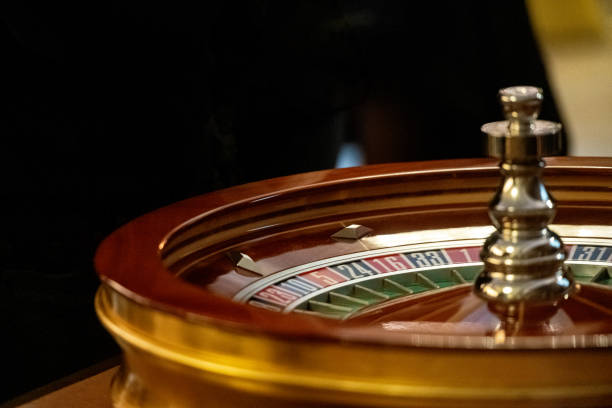
Additionally, the desire for control can negatively affect players’ emotional and psychological well-being. When outcomes do not meet their expectations, they may experience frustration or anger, resulting in further poor choices in their gambling pursuits. It is important for players to recognize that many casino games function randomly, with outcomes not influenced by individual actions. Understanding this reality can help mitigate feelings of disappointment and anxiety when results do not align with hopes or desires.
Ultimately, grasping the nature of chance and the randomness inherent in gambling can help individuals maintain a more balanced perspective. Accepting the lack of control over outcomes enables players to approach gambling as a leisure activity, prioritizing enjoyment over obsession. By relinquishing the need for control, players can engage in gambling as a form of recreation, free from the emotional turmoil that often accompanies the pursuit of luck.
Enhancing Your Understanding of Casino Culture
To thrive in the world of casino gambling, it is essential to cultivate a deeper understanding of the culture that surrounds these establishments. Many myths arise from a lack of knowledge about the inner workings of casinos. For instance, new players might assume that casino staff are unapproachable or that tipping is exclusive to other players. By familiarizing themselves with casino etiquette, including the appropriate times and manners for engaging with staff, newcomers can enhance their overall experience and feel more comfortable within the environment.
Moreover, understanding the intricacies of the games themselves can significantly enrich a player’s experience. Each game has its own rules, strategies, and subtleties, and learning these can empower players to make more informed choices. Many casinos provide tutorials or low-stakes games, allowing novice players to familiarize themselves with the rules without risking substantial amounts of money. Taking advantage of these resources can bolster confidence and enhance one’s understanding of the gaming experience.
Finally, embracing the social aspect of casino gambling can elevate the overall experience. Casinos often host a variety of events, tournaments, and promotions designed to foster a sense of community. Engaging with other players can provide valuable insights that debunk myths and enhance knowledge about various games and strategies. By immersing themselves in the unique culture of casinos, players can build connections, learn effectively, and enjoy a more fulfilling gambling experience.