Plinko’s noise and a poker table share more than you’d think: both reward timing, judgment and a bit of nerve, but only one keeps the house edge honest when you make the right call. When I’m mapping wagering flows for Picklebet, I keep coming back to the same distinction – a game can feel active without actually asking you to think. If you’re chasing the best casino games skill based, the trick is separating a flashy interface from a mechanic that genuinely shifts odds when you play well. Down under, that matters even more, because the rules around interactive gambling are strict and the line between luck and choice is where most punters get tripped up.
Where skill actually lives in a casino game
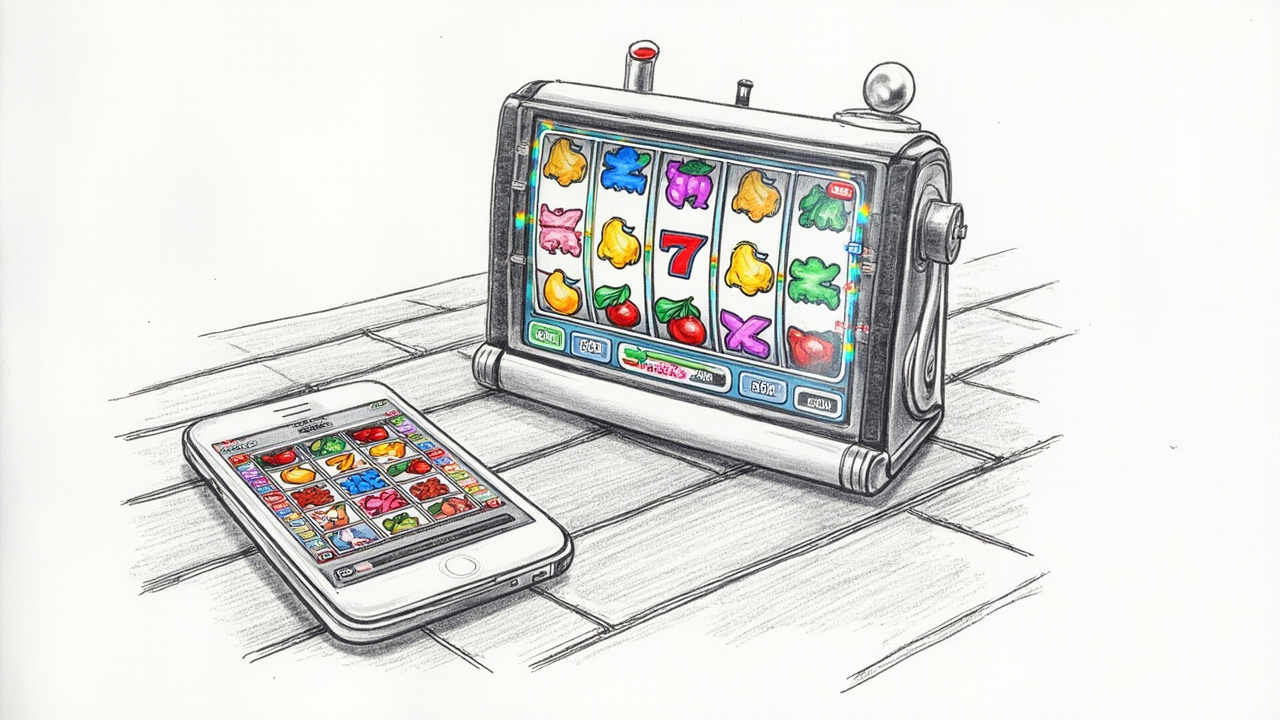
A slot can look busy, but the paytable doesn’t care how fast your thumb is. Real skill shows up where the rules let you make a decision that changes the outcome, even if the house still keeps its cut. In racing and sports wagering, I see that every day – a tighter overround means better value for the punter, and the same logic applies when a casino table lets you vary your bet size, choose when to stand, or manage a bonus round instead of just pressing spin.
That’s why a plinko casino can be a useful reference point rather than the whole conversation. The falling chip is pure chance, but the way you pick your risk lane, size your stake and walk away is where a player’s discipline matters. It’s a decent way to practise bankroll control without pretending the mechanic itself is a strategy test.
The games worth your time usually share a few traits. They give you a clear decision point, they publish the rules plainly, and they don’t dress up a random drop as a “system”. In practice, that means card tables where basic play changes the long run, video poker variants that reward a correct hold, and a handful of live dealer titles where pacing and bet selection actually matter. Anything else is mostly colour and sound. plinko casino
How to weigh a skill based casino game before you play
Start with the decision point, because that’s the part most marketing glosses over. A game that asks you to choose a lane, a hold card, a stand or a fold is doing something different from one that just animates a reel and hands you a result. If the screen never changes based on what you do, you’re paying for the spectacle, not the skill.
Next, look at the information the game gives you before you commit. Good titles show the pay structure, the volatility or the house edge in a way you can actually read, not buried behind flashing badges. I’ve sat through enough product reviews to know that a clear rules panel is worth more than a slick animation – it’s the difference between a player who can make a call and one who’s just guessing.
Then check how the bonus or risk mechanic behaves. A well-built feature lets you vary your approach without hiding the odds behind a curtain. That’s where a lot of casual players get caught, because a bonus round can feel like a second game when it’s really just another random event with a different skin.
Finally, test the pace and the bankroll fit on a quiet session, not during a busy arvo when the screen is moving faster than your head. A skill leaning game should let you think, not just react. If you’re sizing your stakes to a plan and the game still feels like it’s dragging you around, the mechanic isn’t doing you any favours.
What the rules and edge actually tell you
The first thing worth checking is whether the game gives you a real choice and tells you what it costs. A correct basic decision can trim the house edge, but only when the rules are visible and the maths isn’t dressed up as a secret system. If you can’t tell where the edge sits, you’re not playing a skill game – you’re just playing fast.
How bonus and risk mechanics behave
A bonus round or a risk ladder can feel like a second game, but the second look is usually more honest. Good design lets you choose your exposure without hiding the odds behind a curtain, and that’s the line between a feature you can manage and one that just manages you. When the mechanic is clear, you can decide whether the extra risk is worth the extra swing.
Where a plinko casino fits as a practice tool
A plinko casino is useful for one thing: practising stake size and exit discipline on a mechanic that’s transparent about being chance-based. It won’t teach you to beat a table, but it can teach you to size a bet, watch a trend and walk away before the session turns into a story you’ll regret telling later. That’s a practical skill, even if the chip’s path is still random.
Who these games actually suit
A skill based casino game suits a player who’s comfortable making a call and living with the result, not someone chasing a guarantee. If you like reading a table, sizing your stake to a plan and accepting that the house still keeps its edge, you’ll get more out of a card game or a well-built video poker variant than out of a purely random drop. If you’d rather not think between spins, the fancy titles will probably feel like work.
That’s the call I make when I’m reviewing a new flow for Picklebet: does the player actually have a decision, or are we just polishing the window dressing? A game that gives you a genuine lever to pull is worth a closer look, especially if the rules are clear and the pace lets you think. If you’re in Sydney on a slow weekday arvo and you want something that rewards a bit of judgment rather than a lucky tap, start there and keep your bankroll discipline tighter than your excitement.
The best casino games skill based are the ones that tell you what you’re actually choosing, show you the edge, and don’t pretend a random drop is a strategy test. Play the ones with a real decision point, size your stakes to a plan, and treat the rest as paid entertainment.